
Cafe Website Design
Cafe Website Design
A cafe lives or dies on the feeling it creates. The coffee might be exceptional, the fit-out stunning, and the menu perfectly crafted, but if someone lands on your website and feels nothing, they move on to the next result. Your website is the first impression most new customers will ever have of your cafe, and it needs to do exactly what your physical space does the moment someone walks through the door. It needs to create atmosphere, communicate your identity, answer the practical questions people are searching for, and make it effortless to visit, order, or book a table. We design cafe websites that do all of that without losing the warmth and character that makes a great cafe what it is.
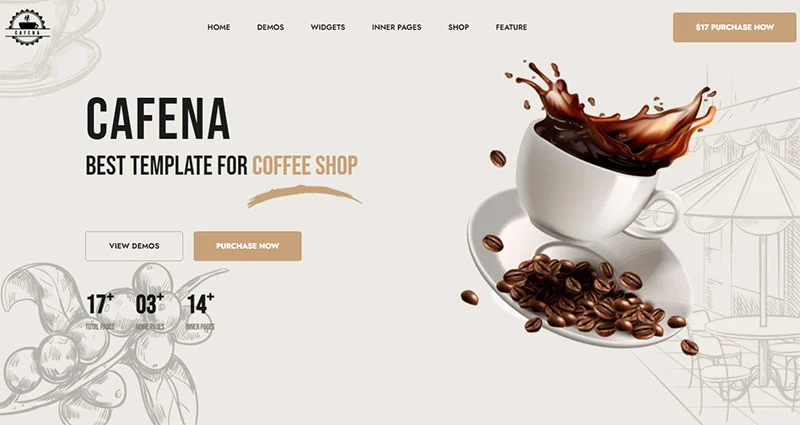
The global cafe and coffee shop industry was valued at USD 178 billion in 2024 and is on track to reach USD 230 billion by 2030. Independent cafes are not competing on scale, they are competing on experience, identity, and community. A website that captures that experience authentically is one of the most powerful marketing tools an independent cafe owner has.
What a Cafe Website Actually Needs to Do
Most cafe websites are built around the wrong priorities. They focus on looking good but forget that the people visiting them are usually trying to answer one of three questions: where are you, what is on your menu, and can I book or order online. A site that buries the address, serves the menu as a PDF that takes thirty seconds to download, and has no booking option loses customers to the cafe down the road who answered all three questions in ten seconds.
A great cafe website does two things simultaneously. It tells your story in a way that creates genuine desire to visit, and it removes every piece of friction between a new customer discovering you and actually walking through your door. Those two goals are not in tension. Getting them both right is simply a matter of understanding what information people need, when they need it, and how to present it in a way that feels completely natural to the cafe’s personality.
Design That Captures the Feel of Your Cafe
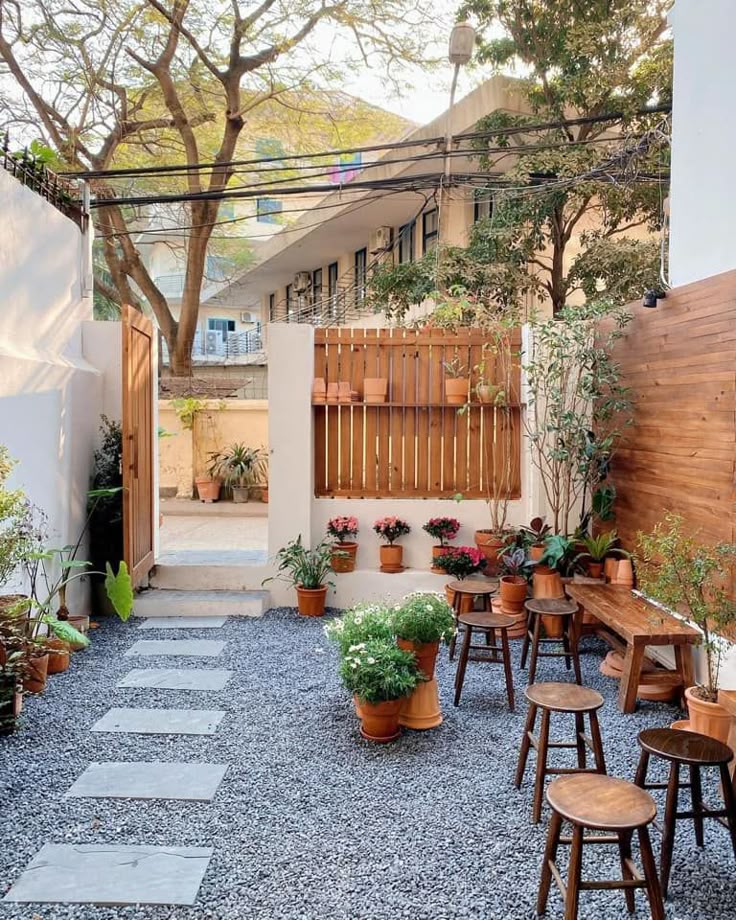
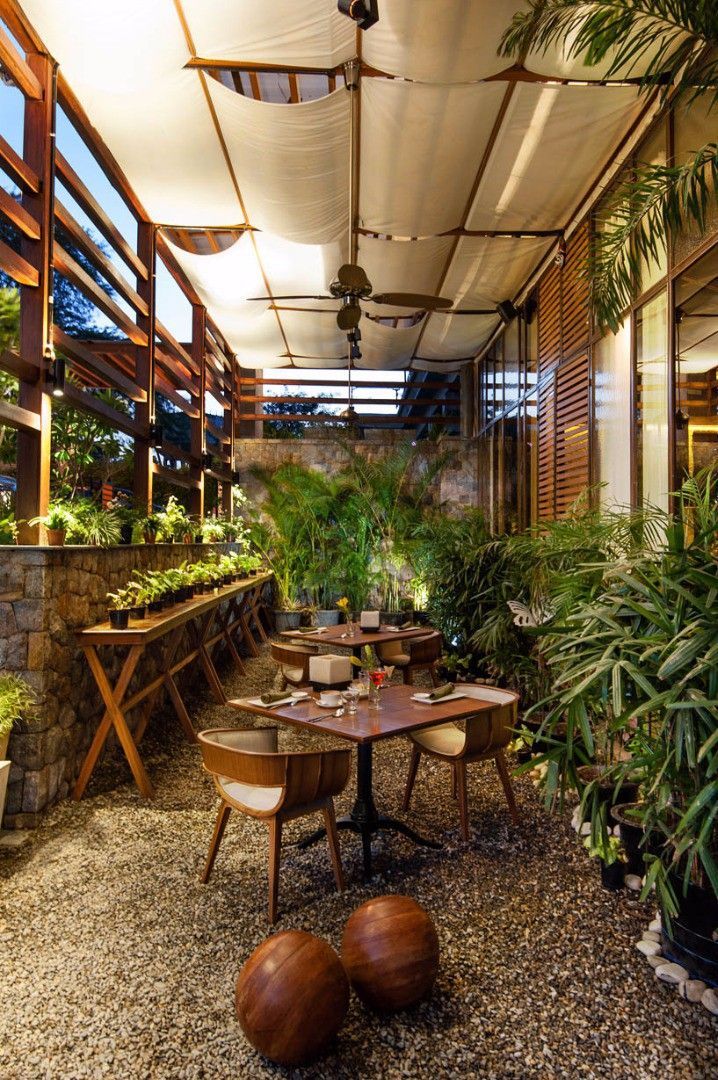
Cafe website design is fundamentally about translating a physical experience into a digital one. When someone walks into your cafe, they immediately absorb the lighting, the textures, the music, the smell of coffee, and the energy of the space. Your website cannot replicate all of that but it can evoke it. The right combination of photography, colour palette, typography, and layout can make someone feel your cafe before they have ever set foot inside.
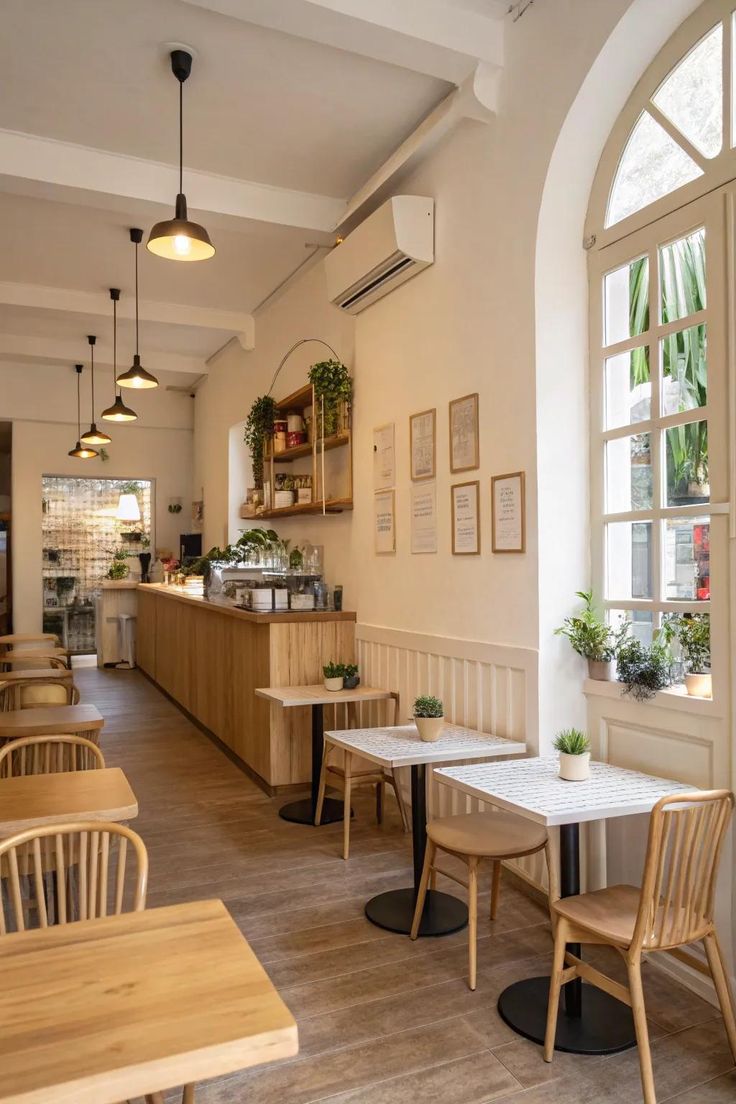
Photography is the single most important element on a cafe website. Not stock photography of coffee cups with perfect latte art and no context. Actual images of your space, your people, your food, and your regulars. Customers respond to authenticity. A slightly imperfect photo taken in your actual cafe with real morning light will always outperform a polished stock image because it tells the truth about what someone will experience when they visit.
Typography and colour choices carry significant weight in cafe design. A specialty coffee bar and a neighbourhood brunch cafe have completely different personalities and their websites should reflect that. Earth tones, warm creams, and hand-drawn typography elements work for certain cafe identities. A clean, minimal layout with strong contrast and a tight colour palette works for others. The design language should feel like a natural extension of the physical brand rather than a generic food business template dressed up with your logo.
The Menu Page Is More Important Than Most Cafe Owners Realise
The menu is the most visited page on almost every cafe website, and it is the most commonly done wrong. A PDF that opens in a new tab, cannot be read on mobile, and has not been updated since the last price change is actively turning customers away. It is also invisible to Google, which means every dish name, dietary option, and menu category on a PDF contributes nothing to your search visibility.
Your menu should be a real webpage with proper text, structured under clear categories, updated whenever your offering changes, and readable on any device without downloading anything. This approach has two significant benefits. Customers get a frictionless experience that respects their time. And Google can read and index every item on your menu, meaning searches for “cafes with vegan breakfast near me” or “cafe serving eggs benedict in [suburb]” have a chance of pulling up your site.
Each menu category benefits from a short description and good photography. People decide what they want to eat with their eyes first. A menu page with one strong image per category that changes with the season communicates freshness and care in a way that a text list never can.
Online Ordering, Reservations, and the Booking Experience
Table Reservations
For cafes with a dine-in focus, reservation integration through platforms like OpenTable or Tock allows customers to book directly from your website without being redirected to a platform that looks nothing like your brand.
Online Ordering
For cafes offering takeaway and pickup, connecting your website to an online ordering system removes the friction of ordering through a third-party app while keeping your margins intact. Platforms like Square and CloudWaitress can be embedded directly.
Private Events
Private events and function bookings are another significant revenue stream for many cafes. A dedicated page for private dining, group bookings, or venue hire with a clear enquiry form generates function leads passively.
Cafe Website SEO and Getting Found Locally
When someone searches for a cafe in your area, they are usually within a short walk or drive and ready to go. Ranking well in those local searches drives foot traffic directly. The cafes appearing at the top of Google and in the map results for searches like “best brunch cafe near me” or “specialty coffee [suburb]” are getting those customers before competitors ever get a chance.
Local SEO for cafes comes down to a few specific things done consistently. Your Google Business Profile is the single most important asset outside of your website itself. A fully optimised profile with accurate opening hours, a regularly updated photo library, a complete service description, and a consistent flow of genuine customer reviews will put you in the map pack for local searches far more reliably than an unmanaged or incomplete listing. We set up and optimise your Google Business Profile as part of every cafe website project.
On the website itself, the key SEO foundations are a proper page structure with individual pages for your menu, your about story, your events, and your function bookings, each optimised for the terms people actually search. Your address, suburb, and opening hours need to be in the website code in a format that search engines can read clearly, not only visible as text on an image. Schema markup for local businesses and food establishments helps Google understand exactly what your cafe is and where it operates, which improves your visibility in relevant local searches.
According to Food Standards Australia New Zealand, allergen and dietary information is increasingly important to Australian consumers making dining decisions. Having this information clearly displayed on your menu page, and searchable, also contributes to the kind of content that helps people find your cafe through specific dietary searches.
The Difference Between a Template and a Custom Cafe Website
There is a place for both and the right choice depends on your cafe’s stage of business, budget, and ambitions. A template-based cafe website built on a platform like Squarespace or similar can be set up quickly, looks clean, and covers the basics well for a new or smaller cafe. The limitations become clear when you need something that genuinely stands out, integrates multiple ordering and booking systems smoothly, or needs to reflect a brand identity that does not fit within the constraints of a template.
A custom-built cafe website gives you complete control over every design and functional element. The personality of your cafe can be expressed exactly as intended rather than being adapted to fit a layout someone else designed for a different business. Custom sites also perform better in search, load faster, and can accommodate whatever integrations your cafe needs now and in the future.
The honest answer is that a beautifully executed template site is better than a mediocre custom build, and a well-built custom site outperforms any template. The decision should be based on what level of investment is appropriate for your stage of business and what your website actually needs to do for you.
$178B
Industry Value 2024
$230B
Projected 2030
2-4
Weeks to Build
97%
Research Online
What Pages Every Cafe Website Should Have
Homepage
Captures the cafe’s atmosphere immediately, communicates your core offer, shows your location and hours above the fold, and drives visitors toward the menu, booking, or ordering.
Menu Page
As live text, not PDFs, organised by category, with descriptions and photography, updated in real time and readable on mobile.
About Page
Covering who you are, how the cafe came to be, your approach to coffee and food, and the people behind the counter.
Order Online
If you offer takeaway or pickup, with your ordering system embedded directly rather than linking away.
Book a Table
With your reservation system integrated, your hours, any specific booking policies, and a clear explanation of how the process works.
Contact Page
With your full address, embedded map, opening hours, phone number, and any parking or access notes.
How Much Does a Cafe Website Cost?
A cafe website can start from a few hundred dollars for a simple, clean setup built on a template platform and scale considerably from there. The cost depends on how many pages you need, whether you require custom design work, which ordering and booking integrations you need connected, and whether you want SEO and copywriting included.
A solo cafe or new business getting online for the first time can be well served by a thoughtfully built template site at the lower end of the investment range. An established cafe with a strong brand identity, multiple service streams, a private events offering, and ambitions to rank competitively in local search benefits from a custom build that reflects that position properly.
We do not quote before understanding what a cafe actually needs. Every project starts with a conversation and every quote is fixed and itemised before any work begins.
Your menu should be a real webpage with proper text, structured under clear categories, updated whenever your offering changes, and readable on any device without downloading anything. This approach has two significant benefits. Customers get a frictionless experience that respects their time. And Google can read and index every item on your menu, meaning searches for “cafes with vegan breakfast near me” or “cafe serving eggs benedict in [suburb]” have a chance of pulling up your site.
Each menu category benefits from a short description and good photography. People decide what they want to eat with their eyes first. A menu page with one strong image per category that changes with the season communicates freshness and care in a way that a text list never can.
Frequently Asked Questions About Cafe Website Design
Does my cafe really need a website if I am already on Instagram and Google Maps?
Yes. Social media profiles and a Google listing are not a substitute for a website. Your website is the only digital asset you fully own and control. It is where customers get the detailed information they need before visiting, where Google sends local search traffic, and where ordering and booking systems live. A profile on a platform you do not own can be changed, restricted, or become irrelevant overnight. Your website cannot.
Should my menu be a PDF or a real webpage?
A real webpage every time. PDFs cannot be read on most mobile devices without extra steps, they cannot be indexed by Google, they cannot be updated quickly, and they look like a shortcut rather than a considered experience. A well-designed menu page performs significantly better on every measure.
Can you integrate online ordering into the website?
Yes. We integrate with platforms including Square, CloudWaitress, ChowNow, and others depending on your setup and POS system. The ordering experience is embedded into your site so customers never feel like they have been redirected elsewhere.
What about table reservations?
We integrate reservation systems including OpenTable, Tock, and others directly into your booking page. For cafes with a simpler setup, a clean enquiry form connected to your inbox or phone is sometimes the more appropriate solution.
How long does a cafe website take to build?
Most cafe websites are completed in two to four weeks. Projects with custom design, multiple integrations, content creation, and a larger number of pages sit toward the upper end of that range. We agree on a timeline at the start.
Do you help with the photography direction or writing?
We offer copywriting as part of every project for cafes that need it. For photography, we can advise on what you need and how to brief a photographer, or work with what you have. The photography brief is one of the most important conversations we have early in every cafe website project because it determines how well the site reflects the actual experience of your cafe.
Ready to Build Your Cafe Website?
We design cafe websites that capture the warmth and character of your space. Let us help you create a digital presence that brings customers through your door.